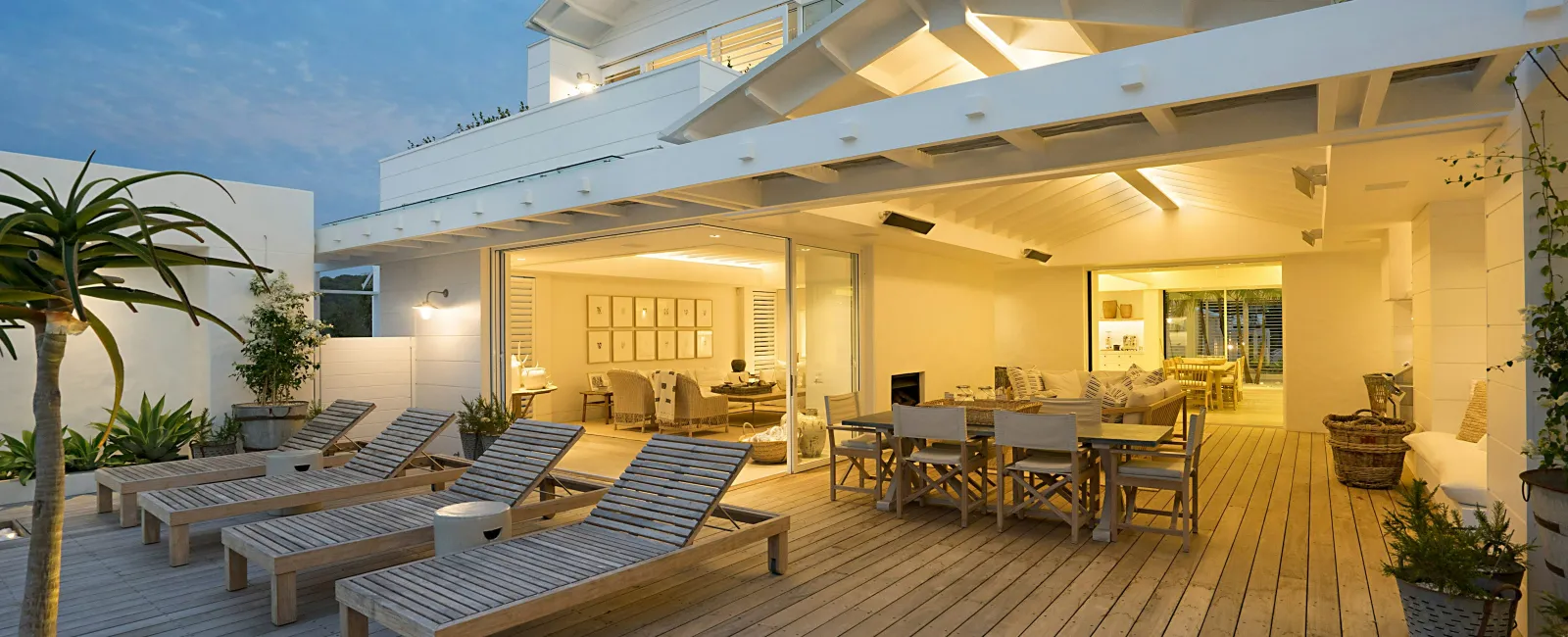
Creating the perfect outdoor living space requires more than choosing between a deck or patio. Successful projects begin with careful planning that considers your property's unique characteristics, your family's needs, and how the new space will integrate with your existing home. Taking time to evaluate these factors before construction starts ensures your investment delivers maximum value and enjoyment for years to come.
Assessing Your Property's Layout and Terrain
Your property's physical characteristics significantly influence what type of outdoor space works best. Walk your yard and note the natural grade, drainage patterns, and any challenging terrain features. Sloped properties often benefit from elevated decks that create level outdoor areas without extensive grading. Flat yards provide more flexibility, allowing for ground-level patios or raised decks depending on your preferences.
Consider sun exposure throughout the day. An area that receives morning sun but afternoon shade provides comfort during Georgia's hot summers. Alternatively, if you plan to add a pergola or covered structure later, full sun exposure becomes less problematic. Note prevailing wind directions as well, since strategic placement can provide natural ventilation or require windbreaks for comfort.
Think about views and privacy. Your outdoor space should take advantage of attractive views while screening less appealing sights. Consider sight lines from neighboring properties and how landscaping or screening can create privacy without making the space feel confined.
Understanding Your Home's Architecture
Your new outdoor living space should complement your home's existing style rather than appearing as an unrelated addition. Traditional homes pair well with classic deck designs or brick and stone patios, while modern architecture accommodates more contemporary materials and geometric patterns.
Pay attention to the transition between indoor and outdoor spaces. If you plan to access your new deck or patio from your kitchen or family room, the connection should feel natural and convenient. The outdoor space's elevation relative to interior rooms affects traffic flow and usability.
Exterior materials on your home provide guidance for your outdoor space. If your house features brick, stone, or specific siding colors, incorporating complementary materials in your deck or patio creates visual cohesion. This attention to design consistency increases both your enjoyment and eventual resale value.
Defining How You'll Use the Space
Different activities require different features and layouts. A space primarily for family dining needs adequate room for a table and chairs plus clearance for movement. Outdoor kitchens require utility connections, counter space, and often covered areas to protect appliances. Fire pits and conversation areas benefit from circular or U-shaped seating arrangements.
Consider whether you entertain large groups or prefer intimate family gatherings. Entertaining dozens of guests demands more square footage and possibly multiple seating zones. Smaller gatherings allow for more efficient space planning focused on comfort rather than capacity.
Think about seasonal use patterns. If you want to extend your outdoor season, consider how a screened porch protects from insects while maintaining airflow. Covered structures provide shade and rain protection, allowing use even during brief summer showers common in Georgia.
Budgeting for Quality and Longevity
Outdoor living spaces represent significant investments, and upfront budget decisions affect long-term satisfaction. While controlling costs matters, choosing quality materials and skilled construction prevents problems that cost more to fix later than they would have cost to prevent initially.
Material selection impacts both initial cost and ongoing maintenance. Pressure-treated lumber offers economy but requires regular maintenance. Composite decking costs more initially but reduces long-term upkeep significantly. For patios, concrete provides affordability while pavers and natural stone increase both cost and aesthetic appeal.
Factor in accessories and features beyond the basic structure. Lighting extends usability into evening hours and enhances safety. Built-in seating, planters, or storage eliminates the need for furniture that requires seasonal storage. Electrical outlets provide convenience for lighting, fans, music, or charging devices.
Planning for Utilities and Access
If you envision an outdoor kitchen, bar area, or extensive lighting, plan utility runs during initial construction. Running electrical lines, water supply, and gas connections after deck or patio completion costs more and may require disturbing completed work.
Consider drainage carefully. Water should flow away from your home's foundation and not create standing pools on or near your outdoor space. Proper grading and potentially drainage systems installed during construction prevent water problems that damage both your new space and your home.
Think about access points and traffic patterns. Multiple entry points from your home increase convenience and help distribute wear on high-traffic areas. If your outdoor space will connect to other yard areas like a pool, garden, or play area, plan pathways that create logical flow without creating muddy tracks across your lawn.
Complying with Regulations and Neighborhood Standards
Before finalizing plans, research local building codes and permit requirements. Forsyth County has specific regulations regarding deck height, railing requirements, and setbacks from property lines. Obtaining proper permits ensures your project meets safety standards and avoids future problems when selling your home.
If you live in a neighborhood with a homeowners association, review architectural guidelines before making final design decisions. Some communities restrict certain materials, colors, or styles. Getting HOA approval before construction prevents costly modifications if your initial plans do not comply with community standards.
Consider property lines and setback requirements. Your outdoor space must remain within your property boundaries with appropriate setbacks from lot lines. Verify property corners before planning placement to avoid encroaching on neighbors' land.
Working with Experienced Contractors
The complexity of outdoor living projects makes professional expertise valuable. Experienced contractors understand local building codes, proper construction techniques for Georgia's climate, and how to address challenges that arise during construction. They can identify potential problems during the planning phase when solutions are simpler and less expensive.
Quality contractors also handle permit applications, ensure inspections are completed properly, and stand behind their work with warranties. This professional oversight provides peace of mind that your investment is built correctly and will perform as expected.
At Forsyth Exteriors, we guide Cumming-area homeowners through every phase of planning and building outdoor living spaces. From initial site assessment through final construction, our experience helps you make informed decisions that result in outdoor spaces you'll enjoy for decades. Whether you're considering a deck, patio, screened porch, or complete outdoor living area, thoughtful planning ensures your project exceeds expectations.