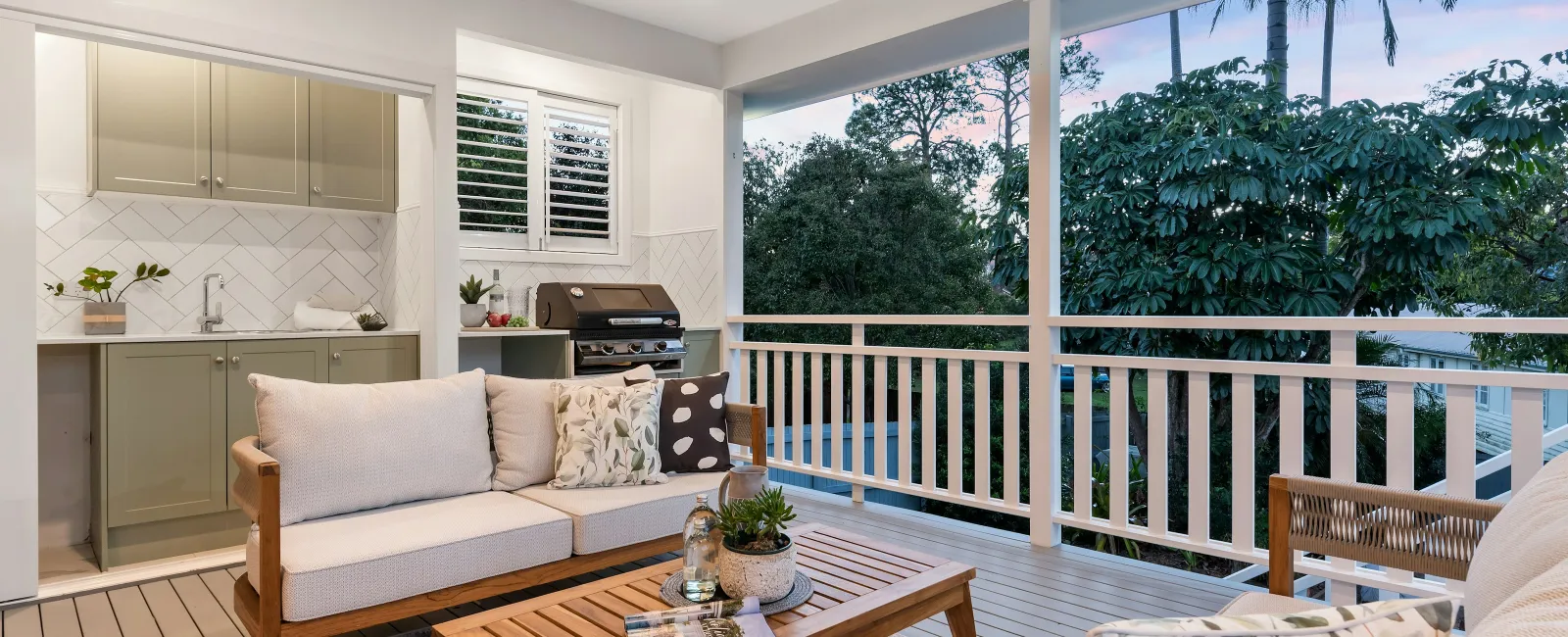
Your deck provides valuable outdoor living space for your family, but like any exterior structure, it experiences wear and deterioration over time. In Georgia's climate, where decks endure intense summer heat, high humidity, and seasonal temperature swings, regular inspection becomes essential for safety and longevity. Recognizing the warning signs of deck damage helps you address problems before they become costly or dangerous.
1. Rotting or Decaying Wood
Wood rot is one of the most serious issues affecting deck safety. In our humid climate, moisture trapped in deck boards, joists, or support posts creates ideal conditions for decay. Check areas where water tends to collect, including spots near planters, around post bases, and where the deck connects to your house.
To test for rot, press a screwdriver into the wood in suspect areas. Healthy wood resists penetration, while rotted wood allows the tool to sink in easily. Pay special attention to the ledger board, which attaches your deck to your house. Rot in this critical structural component compromises the entire deck's stability.
Surface-level rot in a few deck boards might warrant simple replacement, but extensive decay in structural members like joists or posts indicates the need for more comprehensive repairs or complete replacement.
2. Loose or Corroded Fasteners and Hardware
The nails, screws, bolts, and metal brackets holding your deck together face constant stress from weight, movement, and weather exposure. Over time, fasteners can loosen, corrode, or pull away from the wood.
Walk across your deck and listen for squeaking or popping sounds, which often indicate loose fasteners. Inspect visible hardware for rust or corrosion. In coastal Georgia areas or homes with salt water pools, corrosion accelerates significantly. Check that railings feel solid when you apply pressure and examine the connections between posts and beams.
Popped nails or backing-out screws create trip hazards and indicate that the deck's structural connections are failing. While you can replace individual fasteners, widespread loosening suggests that the wood has degraded to the point where it no longer holds fasteners securely.
3. Cracks, Splits, and Splintering
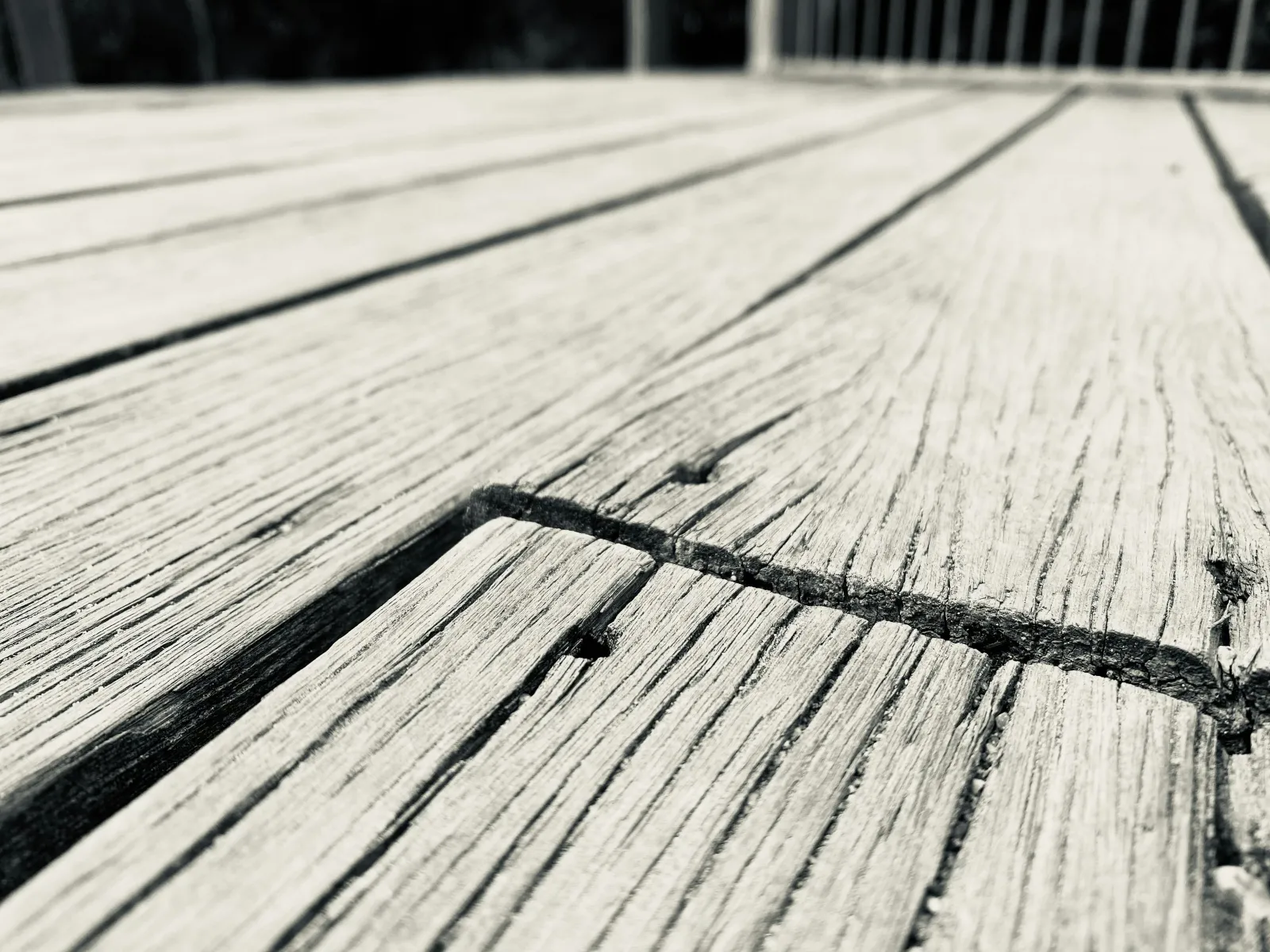
Exposure to sun and moisture causes wood to expand, contract, crack, and splinter. Small cracks running parallel to the wood grain are normal and generally cosmetic. However, deep splits that run across boards or extend through their thickness compromise structural integrity.
Splintering poses safety risks, particularly for bare feet. If your deck boards have deteriorated to the point where splinters are common, the wood has dried out and weakened significantly. This often happens when deck maintenance has been neglected for several years.
Inspect the ends of deck boards where they meet joists. Splitting at these connection points weakens the board's attachment and can lead to dangerous failures. Also check for cracks in support posts and beams, which indicate serious structural concerns requiring immediate attention.
4. Unstable Railings or Wobbly Posts
Railings serve a critical safety function, and any instability demands prompt attention. Grab your deck railing firmly and push outward. It should feel rock solid without any give or movement. Wobbly railings indicate failed connections, rotted post bases, or inadequate initial construction.
Support posts should stand perfectly vertical without leaning. Check where posts connect to the deck frame and where they contact the ground or footings. These connection points are vulnerable to moisture damage and often deteriorate before other deck components.
Building codes require specific railing heights and baluster spacing for safety. If your older deck does not meet current standards, upgrading during repairs improves safety and may be required if you obtain permits for other work.
5. Separation from the House
The ledger board connects your deck to your home's structure and carries significant weight. Inspect where the deck meets your house, looking for gaps, pulling away, or visible damage to the siding or rim joist behind the ledger.
Water can penetrate behind the ledger board, causing rot in both the deck and your home's structure. Flashing installed during deck construction should prevent this, but improper or deteriorated flashing allows moisture intrusion. Signs of water damage on interior walls near the deck connection indicate serious problems requiring immediate professional assessment.
Any visible separation between the deck and house, even minor gaps, suggests connection failure. This represents one of the most dangerous deck defects, as ledger failure can cause catastrophic deck collapse.
The Importance of Professional Inspection
While homeowners can identify obvious problems, some serious issues remain hidden beneath deck boards or within structural connections. Professional inspection reveals problems you might miss and provides expert assessment of whether repair or replacement makes the most sense.
Generally, if repairs would cost more than half of full replacement, or if multiple serious structural issues exist, replacement offers better long-term value. A new deck built to current codes provides decades of safe use and eliminates the ongoing uncertainty and expense of maintaining a deteriorating structure.
Don't Wait Until Problems Worsen
Deck problems never improve on their own. Small issues that could be addressed with minor repairs develop into major structural concerns if ignored. More importantly, deck safety affects everyone who uses it, from family members to guests.
If you have noticed any of these warning signs, Forsyth Exteriors can assess your deck's condition and recommend the most appropriate solution. Whether your deck needs targeted repairs or complete replacement, addressing problems now protects your investment and ensures your outdoor space remains safe and enjoyable for years to come.