When planning an outdoor living space for your Cumming-area home, one of the first decisions you'll face is whether to build a deck or install a patio. Both options create valuable outdoor areas for entertainment and relaxation, but they differ significantly in construction, cost, maintenance, and overall functionality. Understanding these differences helps you choose the option that best fits your property, budget, and lifestyle.
Construction and Placement Considerations
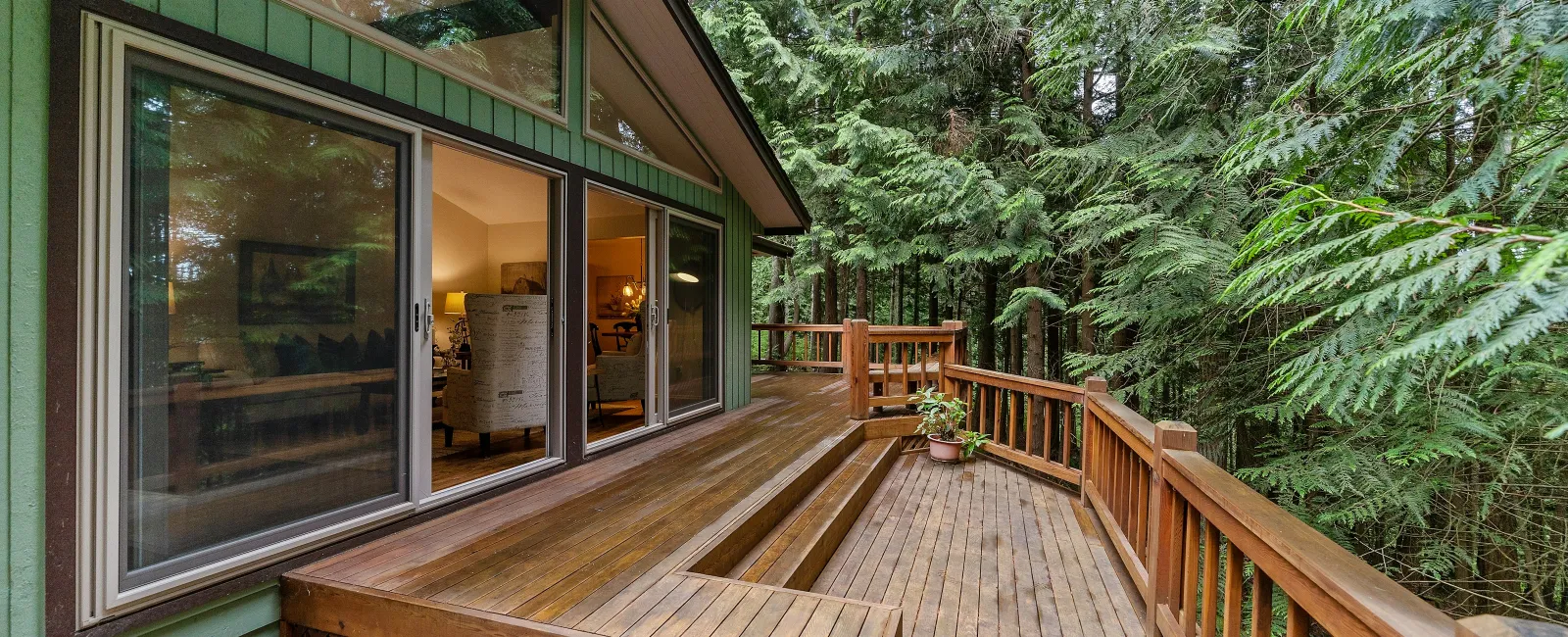
Decks are elevated wooden or composite structures typically attached to your home. They work particularly well for properties with sloped or uneven terrain, where building a ground-level patio would require extensive grading and excavation. If your backyard slopes away from your house or you have a walkout basement, a deck can provide level outdoor space without major landscape modifications.
Patios are ground-level surfaces made from concrete, pavers, flagstone, or other masonry materials. They integrate directly with your landscape and work best on relatively flat terrain. Patios can be built adjacent to your home or positioned elsewhere in your yard, offering flexibility in placement that decks cannot match.
The elevation aspect matters more than many homeowners initially realize. Decks naturally transition from indoor spaces, particularly from upper-level doorways. Patios create seamless connections to ground-level rooms and blend into landscaping, creating a more integrated outdoor environment.
Cost Comparison
Initial installation costs vary based on materials and complexity, but patios generally cost less per square foot than decks. A basic concrete patio represents the most economical option, while premium paver or flagstone patios can approach or exceed the cost of standard wood decking.
Composite and pressure-treated lumber decks fall in the middle to upper price range, with exotic hardwoods commanding premium prices. However, the cost equation extends beyond initial installation. Long-term maintenance expenses significantly impact the total investment over time.
Maintenance Requirements
Decks require ongoing maintenance to preserve their appearance and structural integrity. Wood decks need regular cleaning, staining or sealing every few years, and periodic inspection for rot, insect damage, and loose boards. Composite decking reduces but does not eliminate maintenance, still requiring periodic cleaning and attention to fasteners and structural elements. Learn more about composite decks.
Patios typically demand less intensive upkeep. Concrete patios may need occasional pressure washing and resealing. Paver patios require periodic cleaning and may need sand replacement between joints, but these tasks are generally less frequent and less labor-intensive than deck maintenance. Stone patios are particularly low-maintenance once properly installed.
This maintenance difference compounds over years of ownership. A deck might require significant investment every five to ten years, while a well-built patio can go decades with minimal attention.
Durability and Longevity
In Georgia's climate, with hot summers, occasional freezing winters, and significant rainfall, durability matters. Properly maintained wood decks last 15 to 20 years, while composite decks can reach 25 to 30 years. However, both are susceptible to moisture damage, particularly in our humid environment.
Patios made from concrete, pavers, or stone can last 50 years or more with minimal maintenance. These materials handle freeze-thaw cycles better than wood and do not suffer from rot or insect damage. The superior longevity of patios makes them attractive for homeowners planning to stay in their homes long-term.
Design Flexibility and Aesthetics
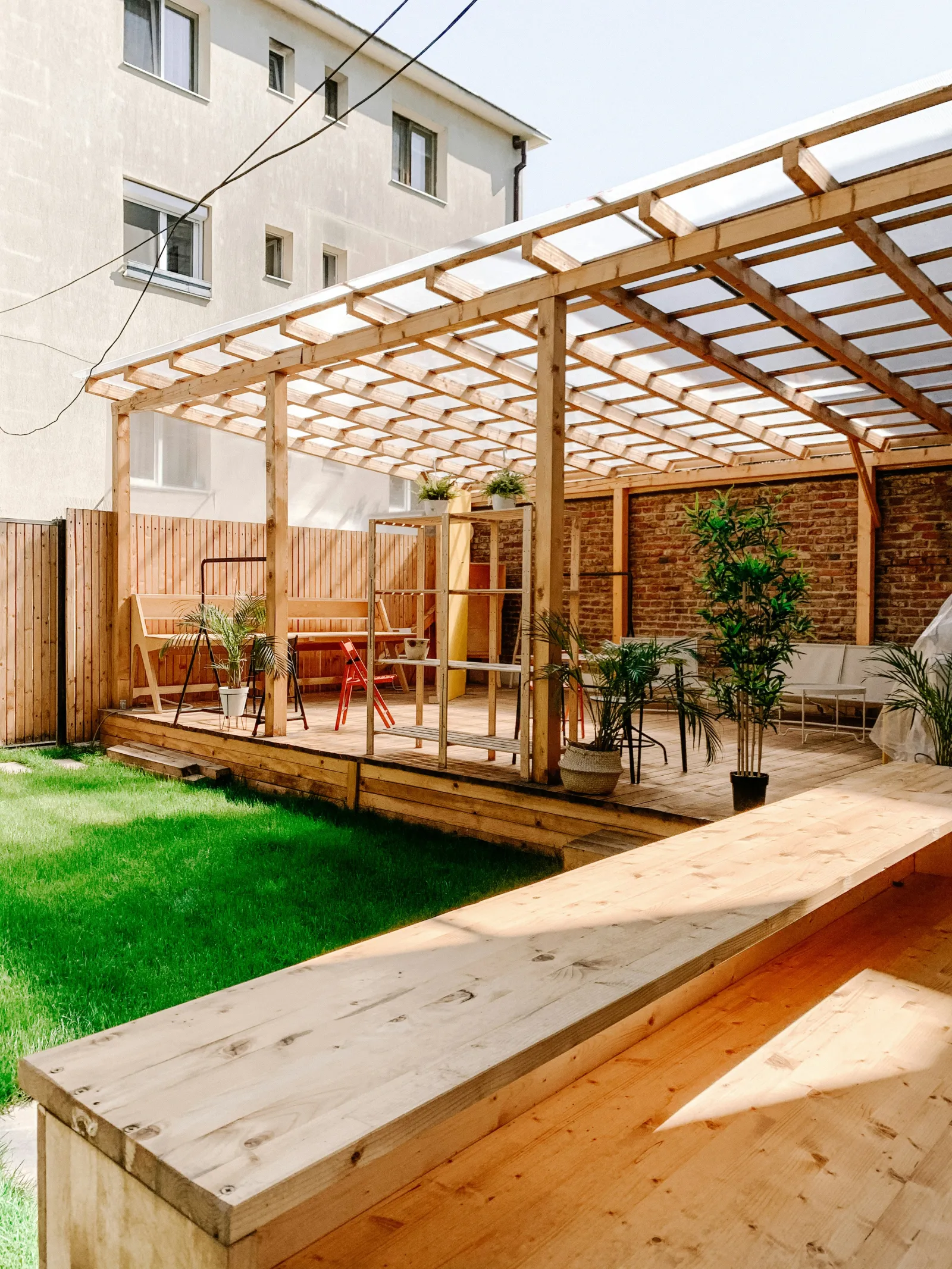
Decks offer vertical interest and multi-level possibilities. You can incorporate stairs, multiple tiers, and built-in seating or planters. The elevation creates distinct separation between indoor and outdoor spaces, which some homeowners prefer.
Patios provide greater design flexibility at ground level. You can create curved edges, circular patterns, and irregular shapes that complement your landscaping. The material variety in patio construction allows for diverse aesthetic choices, from modern concrete finishes to traditional flagstone patterns. Patios also integrate more naturally with gardens, walkways, and other landscape features.
Practical Use Considerations
Decks excel when you need to bridge elevation changes or create outdoor space where the ground is unsuitable. They keep you above wet grass and mud, and the elevation can provide better views of your property or surrounding areas.
Patios offer easier access, particularly for young children, elderly family members, or anyone with mobility concerns. The ground-level design eliminates steps and creates safer transitions. Patios also allow for features like fire pits and heavy outdoor kitchens more easily than elevated decks, where weight and fire safety become concerns.
Making Your Decision
Your choice between a deck and patio should reflect your specific situation. Consider your property's topography, your maintenance willingness, your budget for both initial construction and long-term upkeep, and how you plan to use the space.
Many homeowners find that a combination works best. A deck off the main living level for dining and entertaining, connected to a ground-level patio for a fire pit or outdoor kitchen, provides the benefits of both structures.
At Forsyth Exteriors, we help Cumming-area homeowners evaluate their properties and create outdoor living spaces that match their goals. Whether you choose a deck, patio, or combination of both, proper design and quality construction ensure your investment delivers years of enjoyment and adds lasting value to your home.