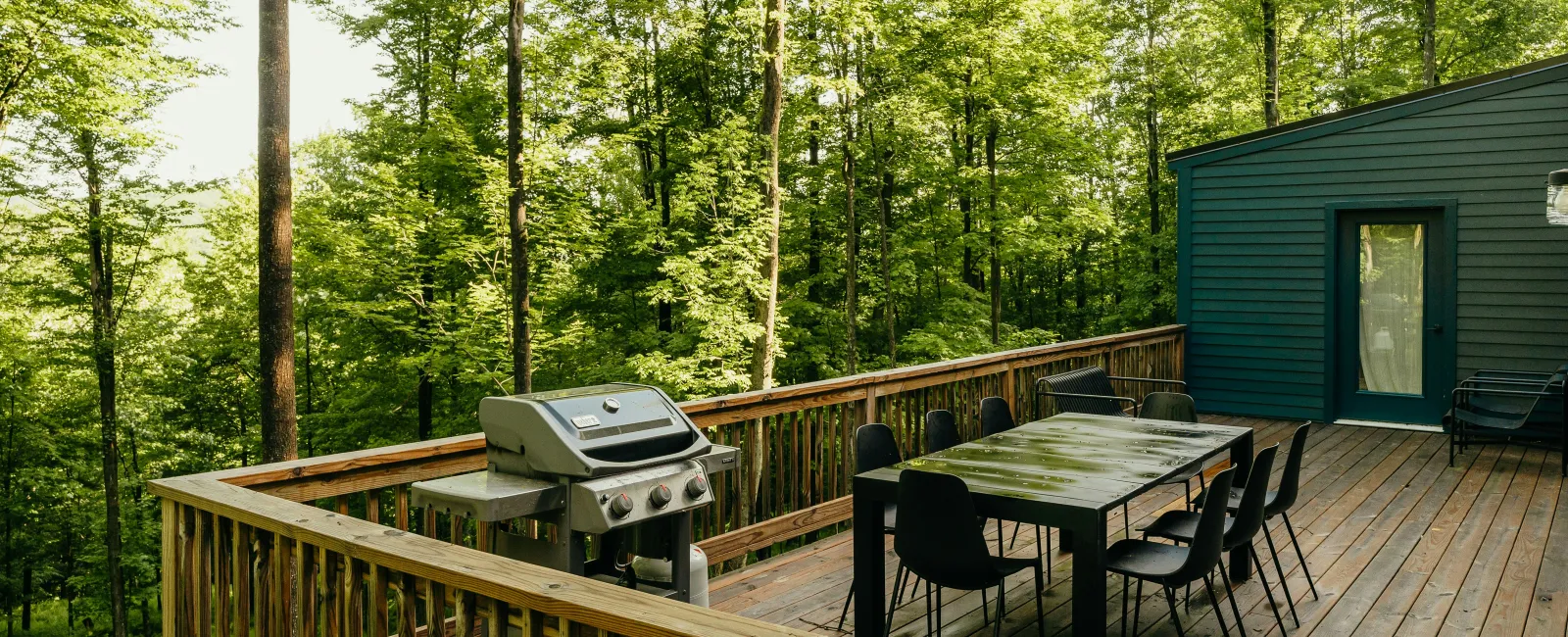
Your deck railing serves dual purposes that both matter enormously: it keeps people safe from falls while defining your deck's aesthetic character. The railing system you choose affects not only how your outdoor space looks but also how much maintenance you'll perform over the years and how well your deck complies with building codes. Understanding your options helps you select railings that balance safety, appearance, maintenance requirements, and budget.
Building Code Requirements for Deck Railings
Before exploring aesthetic choices, understand the safety requirements that govern deck railing installation. Building codes exist to prevent injuries and deaths from deck falls, and inspectors verify compliance before approving deck construction.
Any deck surface more than 30 inches above grade requires guardrails in Georgia. This threshold means most elevated decks need railing systems around their perimeter. The only exception is deck edges that adjoin the house or connect to solid walls providing fall protection.
Railing height requirements specify that guardrails must extend at least 36 inches above the deck surface. Many homeowners choose 42-inch railings for added safety, particularly on decks more than one story above ground or in homes with young children. The additional height provides extra security without significantly affecting views or appearance.
Baluster spacing, the gaps between vertical railing members, cannot exceed 4 inches. This requirement prevents small children from slipping through railings or getting their heads caught between balusters. Inspectors verify spacing carefully, and railings with excessive gaps fail inspection regardless of other qualities.
Structural strength standards require railings to withstand significant force without failing. Guardrails must resist 200 pounds of outward or downward force applied at any point along the top rail. This ensures railings can support someone falling or leaning against them without collapse.
Traditional Wood Railing Systems
Wood railings complement wood deck construction and offer design flexibility at moderate cost. Pressure-treated pine provides the most economical wood railing option, matching treated lumber deck framing and decking. These railings require regular maintenance including staining or painting every two to three years to prevent weathering and decay.
Cedar and redwood railings offer natural beauty and better weather resistance than pressure-treated pine. The natural oils in these woods resist rot and insect damage while displaying attractive grain patterns. However, they still require periodic sealing to maintain color and prevent weathering to silver-gray patina.
Wood railing design options range from simple vertical balusters to elaborate turned spindles, lattice panels, or custom patterns. This flexibility allows you to match your home's architectural style whether traditional, craftsman, or contemporary. Local millwork shops can create custom wood components for truly unique railing designs.
The maintenance requirements of wood railings represent their primary drawback. In Georgia's humid climate with significant rainfall and intense summer sun, wood railings weather quickly without proper protection. Annual inspection for loose connections, splitting wood, or rot damage becomes essential, along with refinishing every few years.
Composite and PVC Railing Systems
Composite railings made from wood fiber and plastic polymers offer low-maintenance alternatives to wood with consistent appearance and long warranties. Major composite decking manufacturers produce coordinating railing systems designed to complement their decking products.
These systems require virtually no maintenance beyond occasional cleaning with soap and water. The materials don't rot, split, or require staining or painting. Color remains stable for years, avoiding the fading and weathering that affects wood railings. Most manufacturers warrant composite railings for 25 years or more.
Composite railing systems come in complete kits including posts, rails, balusters, and all necessary hardware. This simplifies installation and ensures components fit together properly. Pre-cut and pre-drilled parts reduce installation time compared to custom wood railing fabrication.
Design options for composite railings have expanded dramatically. Early composite railings looked utilitarian, but current products offer varied colors, textures, and styles. Some composite systems incorporate metal balusters, glass panels, or cable railings for contemporary appearances while maintaining composite top and bottom rails.
The higher initial cost of composite railings compared to pressure-treated wood represents the main consideration. However, when you factor in maintenance costs over 10 to 15 years including staining, painting, and potential repairs, composite railings often prove more economical long-term.
Metal Railing Options
Aluminum railings provide durability and low maintenance in systems available in various styles from traditional to contemporary. Powder-coated finishes resist fading, chipping, and corrosion while offering color choices to complement your home and deck.
The lightweight nature of aluminum makes installation easier than other materials while still meeting code strength requirements. Pre-fabricated sections snap together with minimal tools, allowing faster installation than wood or composite railings. Many aluminum systems include brackets designed specifically for composite or wood deck mounting.
Aluminum railings work particularly well for contemporary deck designs where clean lines and minimal visual weight enhance modern architecture. Black aluminum railings create striking contrasts against light-colored composite decking, while bronze or copper tones complement wood decks beautifully.
Steel and wrought iron railings offer ultimate durability and security with classic appearance suited to traditional homes. These materials support elaborate scrollwork and decorative elements impossible with other materials. However, steel requires powder coating or painting to prevent rust, and wrought iron demands regular maintenance in humid climates.
Glass Panel Railings
Glass panel railing systems provide unobstructed views while meeting safety code requirements. Tempered glass panels mount between posts or within aluminum frames, creating transparent barriers that preserve sight lines from elevated decks overlooking attractive landscapes.
These systems excel in situations where views justify the premium cost. Properties overlooking lakes, mountains, or attractive yards benefit from glass railings that provide safety without blocking vistas. The psychological effect of transparent railings also makes decks feel more open and expansive.
Maintenance for glass railings focuses on keeping panels clean rather than protecting materials from weather damage. The glass itself is virtually indestructible and maintenance-free, though fingerprints, water spots, and pollen require regular cleaning to maintain clarity.
The cost of glass railing systems significantly exceeds other options, typically running two to three times the price of composite or aluminum railings. Installation requires precision and often professional expertise to ensure panels mount securely and meet structural requirements.
Cable Railing Systems
Cable railings use stainless steel cables tensioned between posts to create modern, minimalist barriers. These systems provide required fall protection while maintaining open sight lines similar to glass but at lower cost. The thin cables create minimal visual obstruction, making them popular for contemporary deck designs.
Proper installation is critical for cable railings. Cables must maintain adequate tension to prevent sagging while posts must withstand the significant lateral forces tensioned cables create. This typically requires heavier posts and stronger connections than traditional baluster railings need.
Cable railings work best on decks where views matter and modern aesthetics fit your home's style. They're less appropriate for traditional architecture where the contemporary appearance clashes with classic home design. Families with small children should consider whether cable railings suit their needs, as horizontal cables can potentially allow climbing.
Making Your Selection
Choosing deck railings requires balancing multiple factors. Consider your maintenance willingness and ability. If you enjoy regular deck maintenance and want the flexibility of changing colors through staining, wood railings might suit you. If you prefer spending time enjoying your deck rather than maintaining it, composite or aluminum systems make more sense.
Your budget affects choices, but consider long-term costs rather than just initial investment. Lower-cost options requiring frequent maintenance may cost more over your deck's lifespan than premium materials with minimal upkeep needs.
Style compatibility with your home's architecture matters. Traditional homes pair naturally with wood or ornamental metal railings, while contemporary architecture accommodates cable, glass, or minimalist aluminum systems better.
At Forsyth Exteriors, we help Cumming-area homeowners select deck railing systems that meet their safety, aesthetic, and maintenance preferences. Our experience with all railing materials and styles ensures your deck project delivers the appearance and performance you expect while complying with all building codes.