Storm damage on a roof shows up as missing or cracked shingles, dented flashing, granule loss in gutters, water stains on interior ceilings, and lifted or curled shingle edges. These signs can appear after high winds, hail, heavy rain, or falling debris, and catching them early prevents minor issues from turning into costly structural repairs. Even when a roof looks fine from the ground, hidden damage to the underlayment, seals, or decking can allow moisture to intrude, compromising your home over months or years.
Knowing what to look for after severe weather is one of the most valuable things a homeowner can do to protect their investment. The sections below walk through every major type of storm damage, the warning signs that often go unnoticed, and what to do once you spot a problem.
Why Identifying Roof Storm Damage Early Matters
A damaged roof rarely announces itself with an obvious leak. More often, the signs are subtle at first: a slightly displaced shingle, a small pile of granules at the base of a downspout, or a faint stain on a hallway ceiling. Left alone, these indicators point to problems that compound quickly. Water finds its way past a broken shingle seal, soaks into the decking, travels along rafters, and eventually shows up as mold, rotted framing, or damaged insulation.
Insurance coverage also has a time factor. Most homeowner policies require that storm damage be reported within a specific window, typically 30 days to 1 year, depending on the carrier and state. Delayed reporting can lead to claim denial, even when the damage is clearly storm-related. An inspection after any severe weather event protects both your home and your ability to file a successful claim.
Common Types of Roof Storm Damage
Storms cause damage through four primary mechanisms: wind, hail, water, and debris impacts. Each produces a distinct signature on the roof, and most severe storms produce more than one type at once.
Wind Damage
High winds affect roofs in ways homeowners often underestimate. Sustained gusts above 50 mph can lift shingle edges, break the factory adhesive seal that holds each shingle to the one below it, and tear shingles off entirely. Wind doesn't need to be hurricane-force to cause problems. A shingle with a broken seal may still appear flat and secure from the ground, but it has lost its weather-tight bond and will flap in future storms, accelerating wear.
The most telling signs of wind damage include missing shingles, creased shingles where the material has folded back on itself, exposed underlayment, and horizontal lines of granule loss just below the overlap point between shingles. That last sign is one of the most reliable indicators because it reveals where a lifted shingle has been rubbing against the one above it over multiple wind events.
Hail Damage
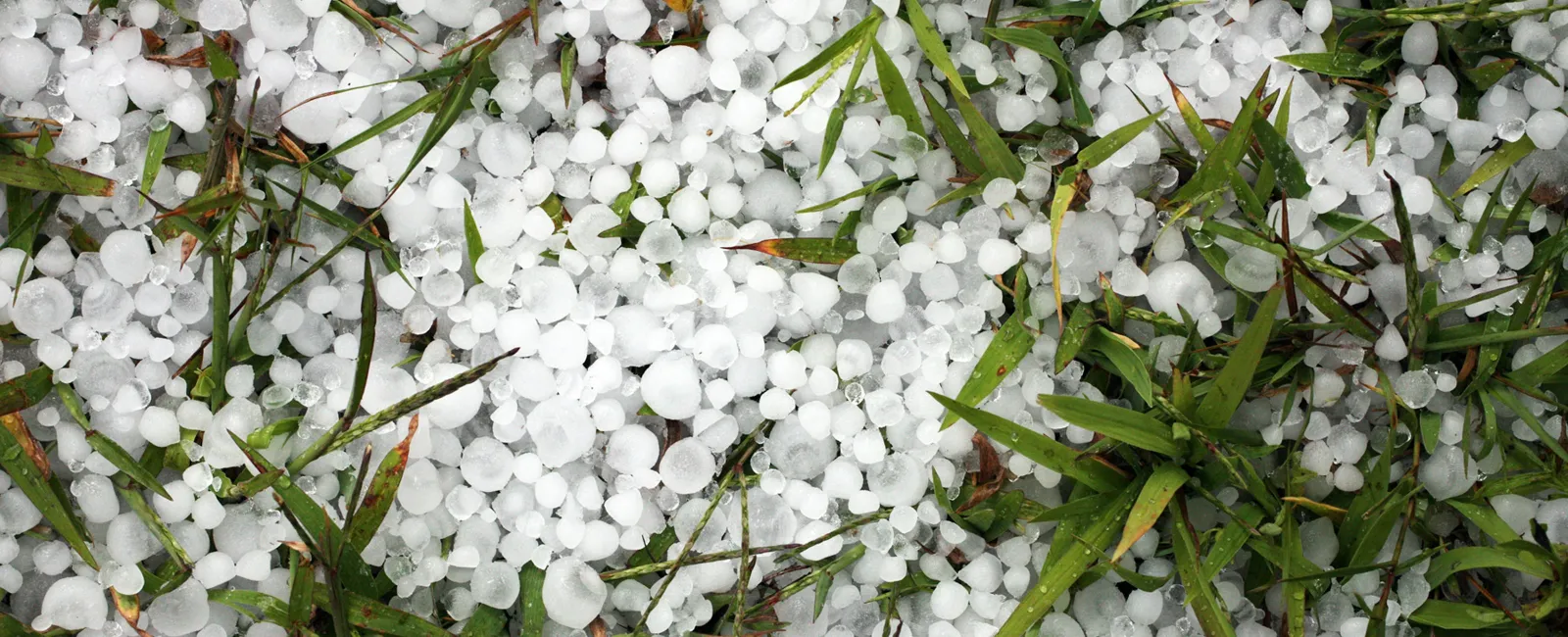
Hail damage is frequently the hardest type for homeowners to assess on their own. A hailstone as small as one inch in diameter can bruise an asphalt shingle, creating a soft spot where the mat beneath has been fractured. The bruise may not leak right away, but the impact removes protective granules, exposing the asphalt to UV degradation, which eventually causes the shingle to crack.
True hail damage appears as random, circular impact marks across the roof surface, often with dark spots where granules have been knocked loose. A key distinguishing feature is that hail strikes show no directional pattern. Other clues include dents on gutters, window screens, AC fins, and metal flashing, as well as collateral damage to vehicles and outdoor furniture. If the metal components of your home show hail impacts, the roof almost certainly does too.
Water and Leak Damage
Heavy rainfall alone can expose weaknesses in an aging or improperly installed roof. Standing water, ice dams during rare cold snaps, and wind-driven rain can all force moisture past flashing, into valleys, and underneath shingles. Interior signs are often the first clue: yellowing ceiling stains, peeling paint near the top of walls, musty attic odors, or visible drip marks along rafters.
The flashing around chimneys, skylights, vents, and roof-wall junctions should be inspected after any heavy rain event. Flashing is the most common failure point on roofs because it relies on proper sealant and precise installation to stay watertight. When a storm dislodges or cracks flashing, water enters exactly where the roof is most vulnerable.
Falling Debris Damage
Tree limbs, airborne objects, and accumulated debris from nearby trees can fracture shingles, puncture decking, or clog gutters, causing backflow under the roof edge. Even small branches that seem harmless can break the adhesive seal between shingles when they land with force or scrape across the roof as they fall. After any storm with high winds, check the roof for both obvious debris and the less visible scrape marks and impact fractures it leaves behind.
How to Inspect Your Roof After a Storm
Personal safety takes priority over a thorough inspection. Climbing onto a wet or damaged roof is dangerous and often unnecessary for identifying storm damage. Most signs can be spotted from the ground, through an upstairs window, or with a pair of binoculars.
Start by walking the perimeter of the home. Look up at the roofline and scan each slope for missing shingles, dark patches indicating granule loss, lifted or curled edges, and debris sitting on the surface. Check the gutters and downspouts for excessive granule buildup, which appears as coarse black sand. A small amount is normal, especially on newer roofs, but a thick layer at the downspout outlet suggests significant granule loss.
Next, examine the exterior features connected to the roof system. Look for dents on aluminum gutters, bent gutter guards, damaged fascia boards, cracked or displaced flashing around chimneys and vents, and visible gaps at the roof-to-wall transitions. Skylights and roof windows should be inspected for cracked glass, broken seals, and displaced flashing around them, all of which are common points of failure during severe weather.
Inside the home, head to the attic with a flashlight. Look for daylight coming through the roof deck, water stains on the underside of the decking, damp or compressed insulation, and any signs of active dripping. Attic inspections often reveal damage that isn't yet visible from below through finished ceilings.
Subtle Warning Signs Homeowners Often Miss
Some of the most important indicators of storm damage are easy to overlook. Granules scattered on sidewalks and driveways after a storm often go unnoticed but signal accelerated shingle wear. Shingles that appear slightly out of alignment, even by half an inch, may have been damaged and shifted in the wind. A faint musty smell in upstairs rooms or closets can indicate moisture intrusion long before a stain appears on the ceiling.
Another frequently missed sign is damage to the ridge cap, the row of shingles running along the peak of the roof. The ridge is the most wind-exposed part of the roof, and ridge cap shingles are typically the first to lift or detach during a storm. Because they sit at the highest point, they're difficult to see from the ground and often get overlooked until interior leaks appear.
Exterior components connected to the roof system can also reveal storm damage. Siding dents, cracked exterior paint, loose or sagging gutters, and damaged soffits and fascia often accompany roof damage during the same storm event. When Forsyth Exteriors inspects a storm-damaged home, the team looks at the entire building envelope because wind, hail, and debris rarely affect only the roof.
When to Call a Professional Roofing Contractor
Any storm severe enough to produce high winds, visible hail, or significant debris warrants a professional inspection, even if the roof looks intact from the ground. Certified roofing professionals have the training and equipment to safely access every section of the roof, identify subtle damage like broken seals or bruised shingles, and document findings in a format insurance adjusters recognize.
A reputable contractor will provide a detailed written report with photographs, explain which repairs are necessary versus cosmetic, and help navigate the insurance claim process when warranted. Be cautious of storm chasers, the out-of-area contractors who appear in neighborhoods immediately after severe weather and pressure homeowners into signing contracts before damage is properly assessed. Work with established, locally rooted contractors who stand behind their work and will be available for warranty service years later.
Preventing Future Storm Damage
While no roof is entirely storm-proof, proactive maintenance reduces the likelihood and severity of damage when the weather turns severe. Schedule professional inspections every one to two years and after any major storm event. Keep gutters clean so rainwater drains properly and doesn't back up under the shingles. Trim tree branches that overhang the roof, since falling limbs are one of the most common causes of impact damage.
When replacing an aging roof, consider upgrading to impact-resistant shingles engineered to withstand hail and high winds. Quality underlayment, proper flashing installation, and adequate attic ventilation all contribute to a roof system that resists storm damage and lasts longer. Partnering with experienced exterior specialists who use premium materials and proven installation methods provides the strongest long-term protection for your home.
Protect Your Home With Expert Storm Damage Inspection
Storm damage doesn't wait to become a serious problem. A single severe weather event can create hidden issues that only reveal themselves months later, when repair costs have multiplied, and insurance windows have closed. Regular inspections, prompt professional evaluation after major storms, and partnership with a trusted exterior remodeling team are the most effective ways to protect your roof and the home beneath it.
Forsyth Exteriors has spent more than 30 years helping homeowners assess, repair, and protect their homes from storm damage. With craftsmanship backed by trusted manufacturers like VELUX, James Hardie, and Sherwin-Williams, our team delivers honest evaluations and lasting repairs that keep homes secure year-round.